
Abbas Sharifi, Ph.D.
Postdoctoral Research Associate, Purdue University
- PhD, Civil Engineering, Florida International University, Miami, 2022–2025
- MS, Environmental Engineering, Florida International University, Miami, 2022–2024
- MS, Mechanical Engineering, Urmia University of Technology, Urmia, 2014–2016
- BS, Mechanical Engineering, Urmia University, Urmia, 2010–2014
Water Resource Engineering · Computational Fluid Dynamics · Biomedical Engineering
We develop experimental and computational models — combining CFD, machine learning, and hardware prototyping — to solve applied problems in stormwater infrastructure, biomedical fluid dynamics, and environmental systems.
Research Projects
A selection of current and past projects spanning water resource engineering, biomedical fluid dynamics, and applied machine learning.
Storm Sewer Geyser Simulation
Experimental and 3D numerical (OpenFOAM) modeling of violent air–water eruptions in urban drainage systems, with retrofitting solutions for existing infrastructure.
View Project →GDSL Digital Twin (CFD)
AI-driven digital twin and CFD modeling framework for managing and predicting the behavior of stormwater drainage infrastructure.
View Project →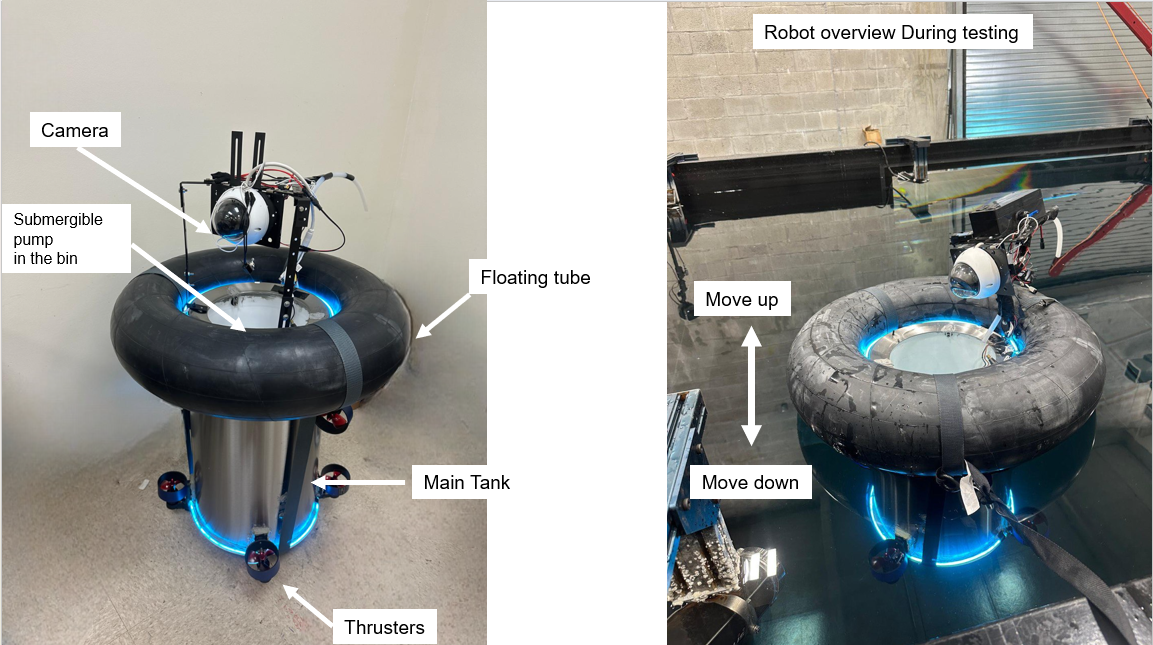
Sea Water Robot
Design and prototyping of an autonomous floating robot for surface water trash collection, developed as Co-PI on an EPA-funded project.
View Project →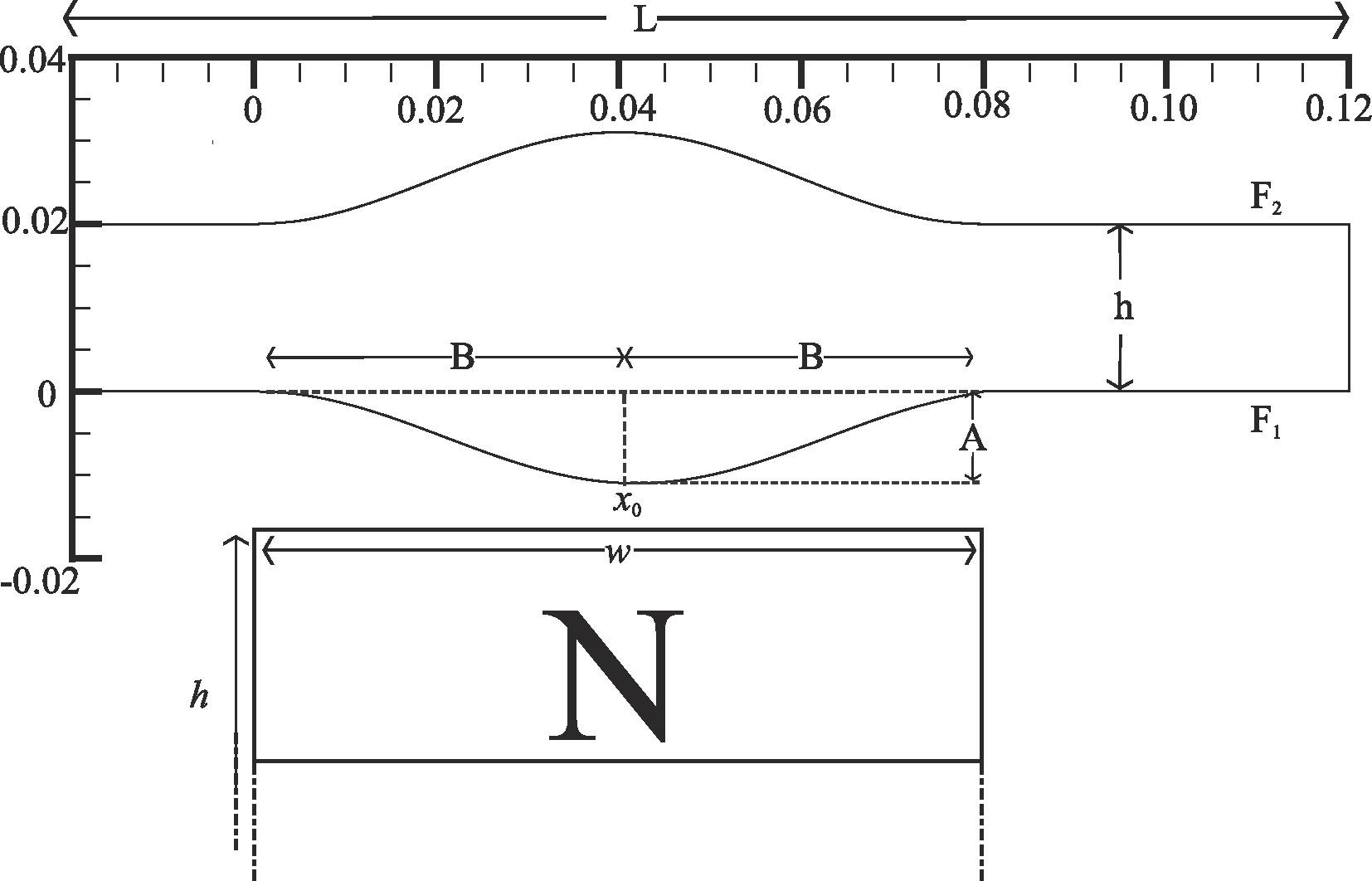
Magnetic Drug Targeting
CFD modeling of magnetic nanoparticle transport in blood vessels for targeted drug delivery, using biomagnetic fluid dynamics.
View Project →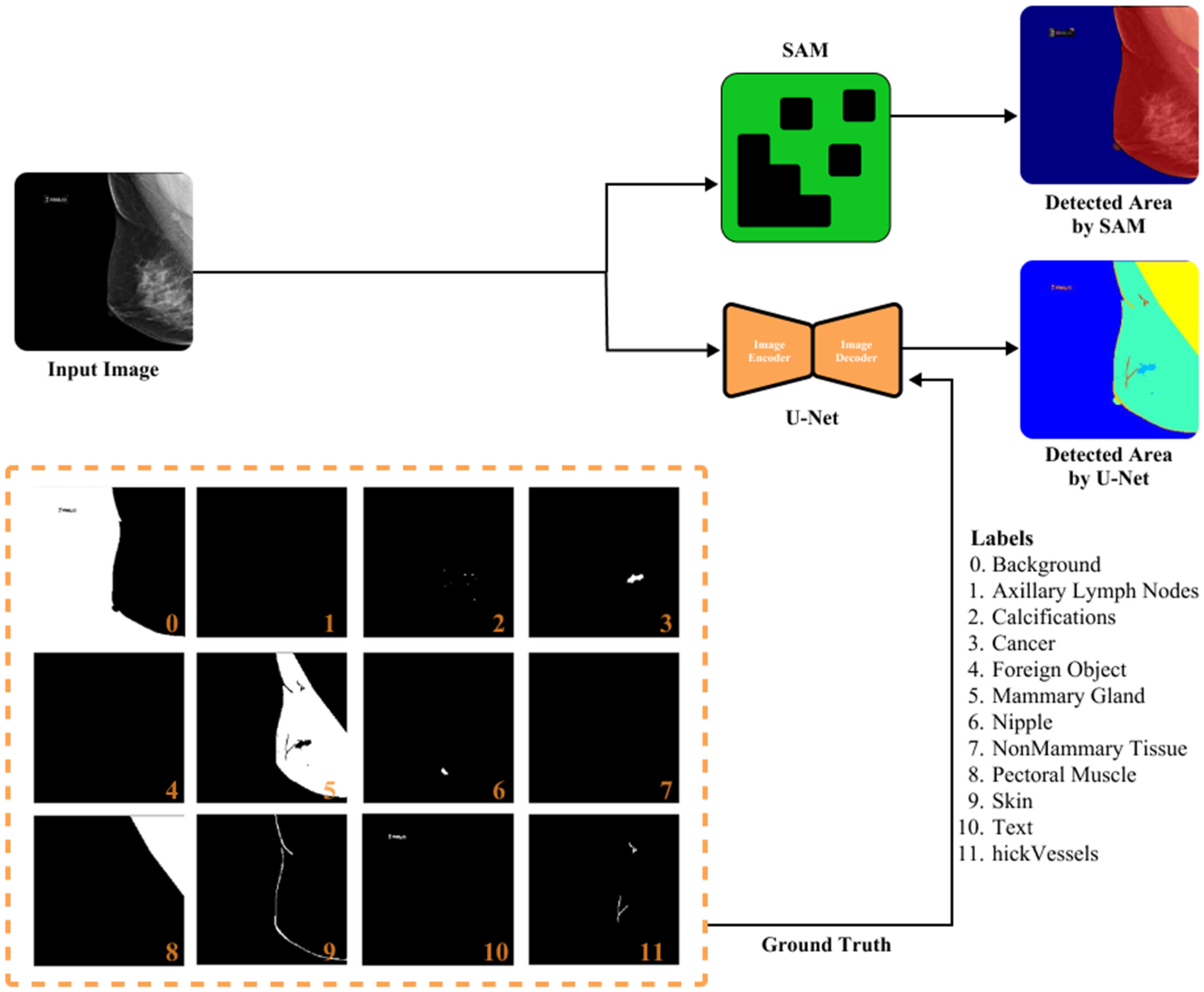
Medical Image Processing
CNN-based segmentation and classification for brain lesion detection and diagnostic imaging applications.
View Project →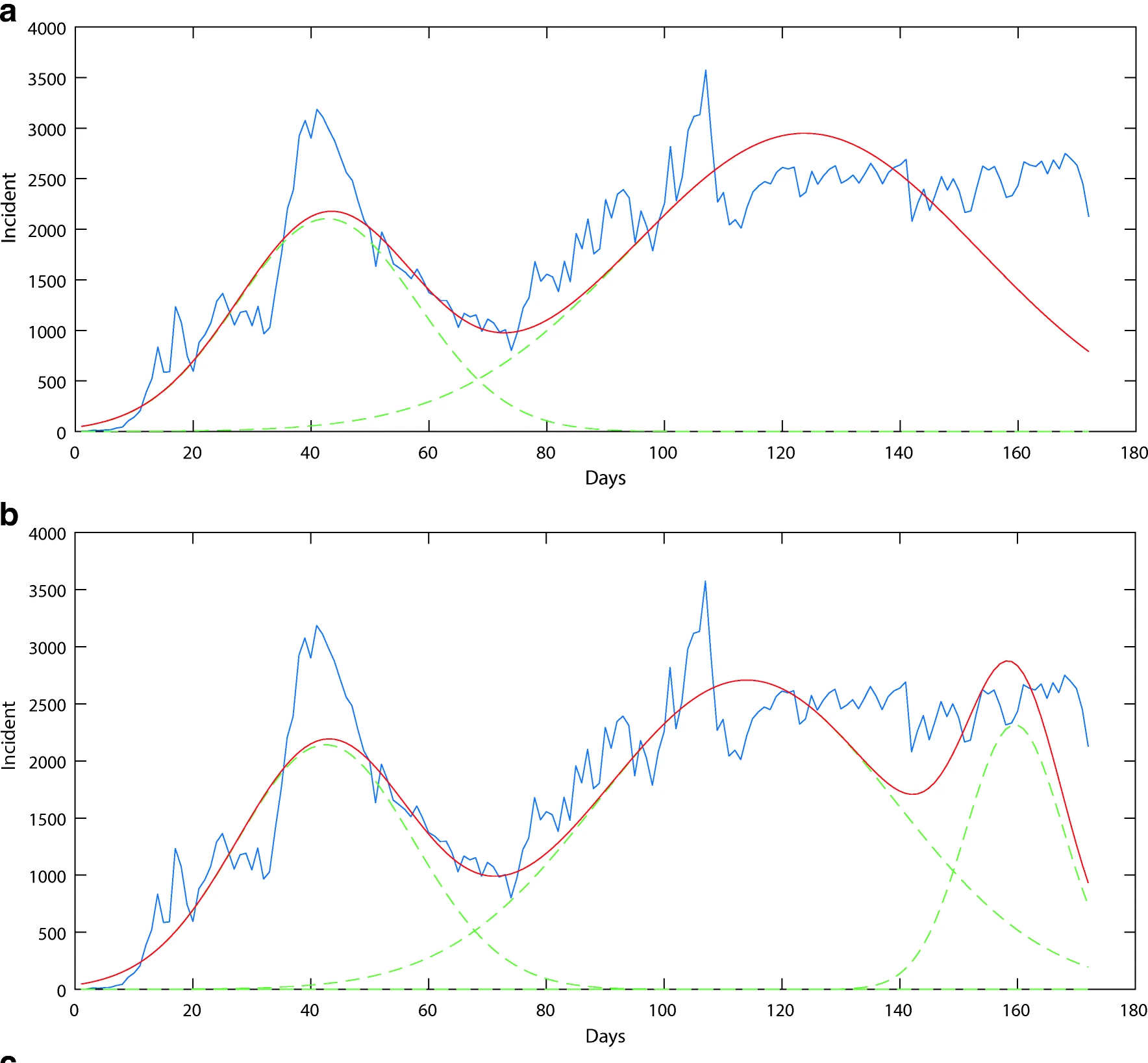
COVID-19 & Climatology
Machine learning models investigating climatological influences on COVID-19 outbreak dynamics across regions.
View Project →About Me
I am a Postdoctoral Research Associate in the Geospatial Data Science Laboratory at Purdue University’s Lyles School of Civil and Construction Engineering, where I also hold a postdoctoral fellowship from the Institute for Physical Artificial Intelligence (IPAI).
My work sits at the meeting point of environmental change, urban infrastructure, and computation. I study how cities and their water systems respond to heat, storms, and a shifting climate, and I build the models that let us see those responses at the scale people actually experience them: a street, a block, a neighborhood. Physically based simulation tells us why a system behaves the way it does. Earth observation tells us what is really there. I am interested in what becomes possible when the two are used together.
What I work on now
At Purdue I lead development of a cloud-based urban microclimate digital twin. It combines airborne LiDAR-derived 3D city geometry, OpenStreetMap land-cover layers, and a GPU-accelerated three-dimensional Navier–Stokes solver to resolve street-scale temperature and wind. The platform runs solar radiation and shading, canopy drag and evaporative cooling, and assimilates live sensor observations so that the simulation stays anchored to conditions on the ground. The goal is practical: to quantify urban heat island intensity, estimate the cooling benefit of green infrastructure, and hand planners and public-health agencies thermal comfort and pedestrian-level wind metrics they can plan around.
Alongside this, I work on geospatial data pipelines for hydrologic and environmental systems, including STAC and Entwine Point Tile LiDAR streaming, point-cloud segmentation, and DEM reconstruction, and on numerical models of hydrologic and hydraulic processes driven by remote-sensing data.
How I got here
I completed my Ph.D. in Civil Engineering (Water Resources) at Florida International University, with a dissertation on storm sewer geysers: the violent, sometimes dangerous eruptions that occur when trapped air and water interact in urban drainage systems during intense rainfall. I instrumented large-scale experimental facilities, built and validated three-dimensional multiphase CFD models in OpenFOAM, and developed retrofitting systems to suppress the eruptions.
My training before that was in mechanical engineering, with an M.S. focused on fluid mechanics and CFD, where I studied biomagnetic flow and heat transfer under non-uniform magnetic fields. I also spent several years as an independent researcher developing deep learning methods for biomedical image analysis and studying environmental and climatological drivers of disease transmission. That period shaped how I think about machine learning today: as a tool that earns its place when it is grounded in physics, measurement, and a question worth answering.
I like building things that leave the screen. I designed and prototyped an autonomous surface-water robot for debris and algae collection in Miami’s coastal zone, integrating real-time object detection, GPS waypoint navigation, and a motorized collection system with an operator interface.
I have published several peer-reviewed journal articles, and I serve the research community as a guest editor, as a reviewer for journals across environmental science, water resources, and computational methods, and as a Web of Science Academy peer-review mentor for early-career researchers.
Research Interests
- Urban climate and extreme-heat exposure Urban heat islands, land–atmosphere interaction, and street-scale microclimate processes, including how building form, vegetation, and surface materials shape the heat people are actually exposed to and how much cooling green infrastructure delivers at neighborhood scale.
- Environmental digital twins and sensor-data assimilation Cloud-accessible simulation platforms that blend physically based models with live observations, so that a model of a city stays tied to the conditions on the ground and can support nowcasting and climate-resilient planning.
- Hydraulics, stormwater, and water-resources infrastructure Transient and mixed flow in sewer networks, storm sewer geyser dynamics and mitigation, urban drainage performance under intense rainfall, and hydrologic change across watershed and stormwater systems.
- Geospatial data science and remote sensing Airborne LiDAR processing and point-cloud classification, DEM reconstruction and terrain analysis, and satellite Earth observation for monitoring, mapping, and modeling environmental and infrastructure systems.
- Physically based numerical modeling and scientific computing Computational fluid dynamics and multiphase flow, GPU-accelerated and high-performance solver development, and machine learning applied where it strengthens rather than replaces physical understanding of environmental data.
Education

PhD in Civil Engineering
Florida International University
Specialization: Water Resource Engineering
MS in Environmental Engineering
Florida International University

MS in Mechanical Engineering
Urmia University of Technology
Specialization: Energy Conversion, Fluid Mechanics and CFD

BS in Mechanical Engineering
Urmia University
Professional Experience

Postdoctoral Associate
Purdue University
- Lead developer of a cloud-based urban microclimate digital twin integrating airborne LiDAR-derived 3D urban geometry, OpenStreetMap land-cover layers, and a GPU-accelerated three-dimensional Navier–Stokes solver to resolve street-scale temperature and wind fields.
- Conduct research in geospatial data analytics, remote sensing, and infrastructure monitoring for hydrologic and environmental systems, including STAC/Entwine Point Tile LiDAR streaming and DEM reconstruction workflows.
- Develop and implement numerical models of hydrologic and hydraulic processes driven by remote-sensing datasets, and quantify urban heat island intensity and the cooling benefit of green infrastructure at neighborhood scale.
- Perform field investigations, data acquisition, and assimilation of live urban sensor observations into simulation state to support nowcasting and model–observation blending.
- Translate simulation output into planning-relevant thermal comfort and pedestrian-level wind metrics intended for use by municipal planning and public-health stakeholders.
Laboratory Manager I
Florida International University
- Directed the management of research and teaching laboratories for the Department of Civil and Environmental Engineering
- Developed and enforced laboratory safety protocols compliant with OSHA and EPA standards, ensuring a safe environment for students and faculty
- Managed a detailed inventory of chemicals and equipment and ensured all laboratory practices align with ABET accreditation criteria. Provided technical training and support for a wide range of student and faculty research projects
Teaching Assistant
Florida International University
- Spring 2022: Environmental Engineering for Global Sustainability, Air Pollution Engineering
- Summer 2022: Introduction to Environmental Engineering, Environmental Laboratory
- Summer 2023: Fluid Mechanics
- Spring 2024: Fluid Mechanics, Environmental Engineering for Global Sustainability
Research Assistant
Florida International University
- Dissertation: Experimental and Numerical Simulation of Storm Sewer Geysers and Design of Retrofitting Systems
- Designed, instrumented, and operated large-scale experimental facilities for storm sewer geyser research, including high-speed imaging, pressure transducer arrays, and multiphase flow data acquisition.
- Developed and validated three-dimensional multiphase CFD models in OpenFOAM and designed retrofitting systems to mitigate violent geyser eruptions in urban drainage networks.
Independent Researcher
- Developed deep learning methods for biomedical image analysis, including convolutional neural network and quantum matched-filter approaches for MRI tumor segmentation and brain lesion localization.
- Investigated environmental and climatological drivers of COVID-19 transmission, and applied machine learning to assess factors affecting disease severity.
- Built predictive and optimization models for pandemic response, including sub-epidemic forecasting, travel-related risk assessment, and hybrid metaheuristic algorithms for healthcare staff scheduling.
Laboratory Manager
Urmia University of Technology
- Managed Fluid Mechanics Laboratory
- Taught Fluid Mechanics Course
Instructor
Urmia University of Technology
Taught OpenFOAM and C++ Programming
Researcher
Urmia University of Technology
- Investigated climatological influences on COVID-19 outbreaks and developed innovative machine learning models
- Developed advanced imaging analysis techniques for segmentation and classification using Machine Learning
Research Assistant
Urmia University of Technology
- Thesis: Numerical Study of Magnetic Drug Targeting in Blood Vessels Using Magnetic Nanoparticles
- Designed numerical models with CFD for targeted drug delivery using magnetic fields
- Developed high-accuracy simulations for nanoparticle movement and interaction within blood vessels
Mentoring and Academic Contributions
Contributing to the academic community through peer review, mentoring, and leadership
Mentoring Experience
- Academy Graduate & Mentor for Peer-Reviewing Papers in Web of Science (2019 - Present)
- Peer-Review Record: 28 Journals, 84 papers reviewed
Editorial Contributions
- Guest Editor of Journal of Healthcare Engineering for Special Issue of “Complexity Systems for Scheduling in Healthcare” (Aug 2022 - May 2024) — View Special Issue
- Advisory Board of “2nd International Conference on Artificial Intelligence Science and Applications in Industry and Society (CAISAIS 2023)” — View Committee
- Guest Editor of Pharmaceutics for Special Issue of “Advances in Drug Targeting Chemistry and Magnetic Fluid Dynamics for Enhanced Therapeutic Efficacy” (Present) — View Special Issue
Leadership & Projects
- Leader of Project: Design and Implementation of a High-Performance Computing (HPC) System Using Computer Clustering in the Linux Operating System for Academic and Research Centers at Urmia University of Technology
Selected Publications
See the full publication list for all 42 papers.
- 2026 — A retrofitting solution for geyser eruptions in storm sewer systems: experimental and numerical analysis. Sharifi, A., Mahyawansi, P., Zanje, S. R., & Leon, A. S. — Journal of Hydraulic Research, 1-17.
- 2025 — Dynamics of cyclic and violent geyser eruptions in storm sewer systems: an experimental and numerical approach. Sharifi, A., Mahyawansi, P., Zanje, S. R., & Leon, A. S. — Journal of Hydraulic Research, 63(5), 558-577.
- 2025 — Real-Time Air–Water Volume Fraction Prediction Using Deep Learning and High-Speed Imaging. Sharifi, A., Zanje, S. R., Mahyawansi, P., Petrov, V., & Leon, A. S. — World Environmental and Water Resources Congress 2025, 471-485.